Planning Pirate School Trips - FAQ
13 October 2026Why study pirates?
Turn history into an adventure with the age of piracy! Kids love the excitement of treasure hunts and ships, and it is a fun way to connect to literacy and exploration. The drama and storytelling can really capture their imagination.
Pirate workshop or day trip?
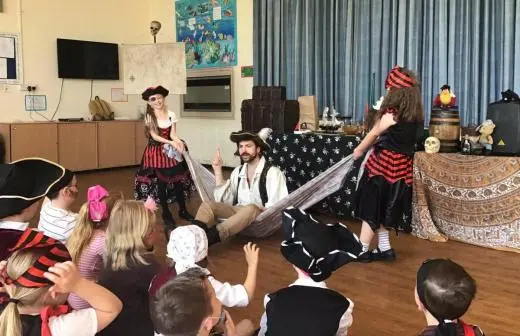
An in-school workshop is an easy way to bring the theme to your classroom, especially for younger year groups. Depending on the provider and activities, workshops may cost around £150–£400 per group. Sessions can include storytelling, role play, creative writing and story telling activities. See above for more details.
For an educational pirate themed day trip you could visit to a historic ship, harbour or maritime museum, each will offer a different kind of experience. If you are within reach of the sea, pupils can visit maritime settings and connect classroom learning with the pirates.
Free pirate options?
You can head to local beaches for treasure hunts or visit maritime museums, which are often free. They are a budget-friendly way to include pirate fun without extra costs.
Top 8 pirate school trips for teachers
Each visit can be adapted to suit your pupils' age and learning goals. Before booking, check current opening dates, school group offers, accessibility and whether pirate related activities are available.
1. Golden Hinde, London
This visit allows you to step aboard a full size replica of the Tudor ship sailed by Sir Francis Drake. A visit can introduce pupils to shipboard life, navigation and the dangers of long voyages. A fantastic venue to get a flavour of pirate period life.
2. In-school pirate workshop
A workshop brings the adventure to you, avoiding travel and making it easier to fit the session around your timetable. Check out the options above. Ask providers about group size, session length, SEND adaptations and what is included in the price.
3. Bristol Harbour
Bristol's harbour offers a setting for exploring ships, trade and the movement of people and goods. Pupils can look at how ports connected Britain with the wider world and discuss the difference between legitimate trade, exploration and piracy.
4. National Maritime Museum, Greenwich
The National Maritime Museum has collections and displays that can help pupils investigate ships, sailors, exploration and Britain's maritime history. Pirates were sailors and this is a great place to learn about the history of maritime adventure.
5. Plymouth waterfront
Plymouth's maritime setting provides a starting point for learning about voyages and life in a busy port. Teachers can build a visit around the waterfront, local heritage sites or a museum, depending on the year group and itinerary.
6. Scottish Maritime Museum, Irvine
The Scottish Maritime Museum explores Scotland's shipbuilding and seafaring heritage. Its exhibits can help pupils understand how ships were built and used, and how maritime work affected communities. This makes a good comparison with the popular image of pirates: what was everyday life at sea actually like?
7. A Welsh coastal visit
A supervised visit to a suitable Welsh beach, harbour or coastal heritage site can turn the landscape into a learning resource. Pupils could discuss how coastal communities depended on shipping and trade.
8. A local treasure hunt
A treasure hunt in the school grounds, a local park or a museum courtyard is an inexpensive option that can be tailored to your class. Clues can practise reading, spelling, number skills and map reading, with an X marking the spot and maybe even some buried treasure.


 Wales
 Art, Bushcraft, Business, Careers, Citizenship, English, Farm, Fieldstudies, Geography, Environmental Geography, Human Geography, Physical Geography, Geology, Maths, Outdoor Learning, Performing Arts, Physical Education, Pirates, PSHE, Team Building, Watersports, Wildlife


 in-school workshop







 Filter results