What computing and coding workshops or trips in the UK help primary and secondary students build digital skills?
Computing educational visits include programming sessions, cybersecurity challenges, and tech museum tours aligning with the curriculum to develop algorithms, debugging, and safe online practices.
Delve into the fundamentals of computer science and information technology with a computing school workshop. Your students will be introduced to the basic principles of programming, coding, and algorithmic thinking, often using engaging, child-friendly platforms and tools that make the learning process fun and accessible.
National Coding Week School Trips | September 2027
National Coding Week in September 2027 is all about inspiring the next generation of tech innovators, and UK schools have brilliant ways to join in. Find out more about robotics challenges, game design sessions or AI workshops. Fun and interactive experiences help make coding accessible and exciting for every year group.
Many venues across the UK offer in-school visits or full-day trips to tech hubs in places like Birmingham, Bristol or Edinburgh. They work seamlessly with computing curriculum goals and help demystify technology. Plan a trip below to give your pupils an edge in the technological age.
Computer Science Week School Trips UK | December 2026
Computer Science Week from 8-12 December 2026 celebrates tech innovation and coding literacy. UK schools can book workshops on a range of computing topics, such as advanced programming, AI ethics, robotics, hardware builds or cybersecurity challenges. Visit options offer everything from robot programming to app creation, linking to computing curriculum. These trips make otherwise abstract concepts, tangible and fun. Teachers appreciate the career insights and engagement boost it gives their class. Plan a Computer Science Week school trips UK 2026. Early booking recommended for December slots.
Safer Internet Day School Trips UK | February 2027
Safer Internet Day in February 2027 raises awareness of online safety, digital citizenship and responsible tech use. For UK schools, this celebration day is a perfect time to book a workshop tackling cyberbullying, privacy, screen time or media literacy. Children face huge challenges when it comes to the internet, especially in the form of social media. Workshops can teach about the topic through interactive theatre, expert talks or gaming simulations that show real scenarios. Many providers offer in-school visits tailored to each key stage, helping pupils navigate the digital world safely, and addressing issues in PSHE and citizenship as well as computing. Find lots of Safer Internet Day school trip ideas below.
Computers and information technology are a fundamental part of our everyday lives. Governments, businesses and individuals rely on computer networks and software systems to keep the global economy running, so it is no surprise that computer skills and coding are increasingly important topics taught in the classroom. Job opportunities for competent computer literate school leavers and graduates are only going to grow, making computing one of the most important curriculum topics for students once they enter the working environment.
To enhance your pupils' computational thinking, there are many computing school trips you can choose that demonstrate how computers have become a vital part of our world. Discover how information technology is used in areas such as problem solving, communication systems and data analysis. Get hands on with programming robots and projects with Scratch. Click here for a full list of Computing workshops! or here for virtual reality experiences!, drones and robotics, or check out our British Science Week page.
The trips below have a strong computing focus, or have dedicated workshops, shows, or hands on exhibits that will really help your students understand computing in context.
Find a school trip or workshop for the following Computing topics: Algorythms and data, Animation, Artificial Intelligence, Coding, Cyber-security, Cyberbullying, Encryption Decryption, Game Design, Information and Communications Technology, Online Safety, Robotics, Spatial Computing, and more.
Popular school trip October 2026 !
Duke of Edinburgh at English Study Camps
London & South East Bushcraft, Business, Computing, Cultural Education
Coding and Using AI Creatively
Students develop practical computing, programming, coding and creative AI skills through hands-on, project-based sessions at English Study Camps. The programme introduces key digital skills including code, algorithms, computational thinking, problem-solving, creativ...
Our school visits are the missing piece of the computing curriculum. We celebrate Britain's role in computing and the historical significance computing technology has on the world we live in today.... > read
Inventors & Makers Computing Workshops
in-school workshop
Our workshops align with key areas of the Computing and Design & Technology curriculum, supporting schools to deliver engaging, hands-on learning and meet physical computing objectives.
Children... > read
HYEN Magnetronics and Electricity Workshops
in-school workshop
Our Magnetronics workshops provide the foundational knowledge essential for understanding robotic systems and modern electronics. Pupils explore how circuits control outputs - the same principles that... > read
Robotics and Computer Science in London
London & South East
For academic immersion and technological inspiration, look no further than our trip to London, with code breaking workshops, robot building and fighting, formation drone flying, assembly language game... > read
Coding Games Workshop
in-school workshop
Through our game-making projects, pupils will not just learn about how to code games through projects led by real-world app and games developers, but also learn about computing more generally. They... > read
BBC micro:bit (IoT) Workshop
in-school workshop
Through our micro:bit projects, pupils will not just learn about how programming through projects led by real-world app and games developers, but also learn about computing more generally. They will... > read
AI Adventures: Artificial Intelligence with Minecraft Education
in-school workshop
The workshop will introduce the students to the importance of Artificial Intelligence when it is appropriate to use and learn how to purposefully code to implement a resolution to challenges along the way. > read
Future Engineers: Robotics coding with LEGO Spike Prime
in-school workshop
The workshops allows students to combine the fun of playing with LEGO with the skills of learning to code. Workshops can be challenge based activities or linked to curriculum outcomes lifted from the computing curriculum. > read
Xplore! Science Outreach
in-school workshop
Crumblebots
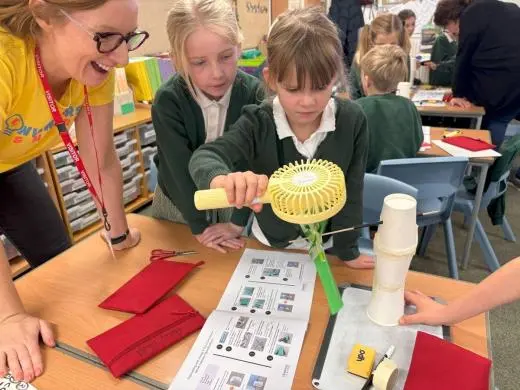
Introduce pupils to practical programming as they write code to guide robots through different challenges. Learners experiment with instructions, troubleshoot problems... > read
Inventors Workshop with Ada Lovelace
in-school workshop
Within this workshop we look at the 'Analytical Engine', a device remembered in history for being a very early machine likened to a computer that Ada Lovelace worked on with mathematician and friend,... > read
Duke of Edinburgh at English Study Camps
London & South East
Coding and Using AI Creatively
Students develop practical computing, programming, coding and creative AI skills through hands-on, project-based sessions at English Study Camps. The programme... > read
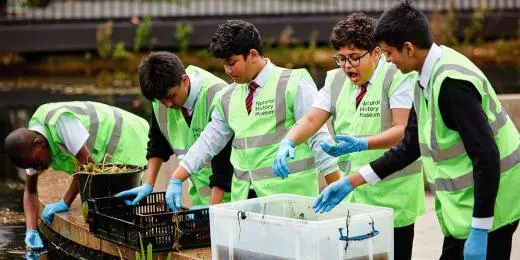
The Natural History Museum
London & South East
In our Mission to Mars: LEGO® Explorers Workshop, pupils will design, create and code a Martian rover using LEGO® Education SPIKE Essential robotics sets. Pupils work in small teams to design and... > read
Internet Safety Training
in-school workshop
OpenView Education's Internet Safety Workshops are designed to align with and support your schools computing curriculum by addressing key aspects of online safety and digital literacy. Here's how our... > read
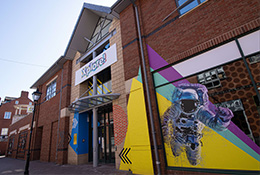
Xplore! Science Discovery Centre
Wales
Crumblebots
Bring coding to life as pupils programme Crumblebots to navigate a series of challenges. They develop their computational thinking, practise problem-solving and discover... > read
Our VR Content Creation workshop allows students to create VR environments that they then code using block-based programming to bring their characters to life. > read
JuniorSTEM Lego Robotics
in-school workshop
The children learn how to use the Lego block coding software to build algorithms that control motors, sensors, lights, sounds, pictures, text etc via a bluetooth connection to their tablet. > read
JuniorSTEM Lego Robotics
in-school workshop
The children learn how to use the Lego block coding software to build algorithms that control motors, sensors, lights, sounds, pictures, text etc via a bluetooth connection to their tablet. > read
Spyscape - Immersive Spy Museum, London
London & South East
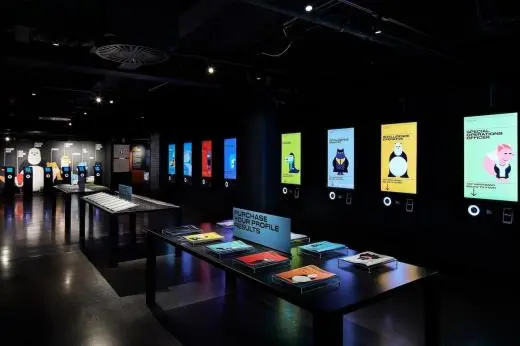
SPYSCAPE supports computing by developing logical thinking, pattern recognition, and problem-solving through interactive challenges. Each participant receives a profile highlighting analytical skills relevant to technology and digital careers. > read
Cyber Attack: A Code Breaking Workshop
online/in-school workshop
Tablet Academy has created a Virtual experience focused on enabling students to achieve the following objectives within computing:
a) understand how instructions are stored and executed within a... > read
Hands-On In-Person STEM Workshops & Clubs
in-school workshop
Our workshops for KS2 link to several areas of the ICT as well as the Design & Technology curriculum.
Workshops can cover Video Game Design, Stop Motion Animation, thinking about systems and designing for a user, as well as Coding & Robotics designing moon landers, pedometers and games. > read
Computing education allows students to acquire the computing skills that are necessary to succeed in our modern society. The key part of the computing curriculum is computer science, which entails learning about the core principles of computation and information, and learning how digital systems operate and how to use this knowledge through programming.
Over time, students will obtain the necessary skills that are required to create systems, programmes and a range of content. The knowledge that is gained through a computing course will enhance a student's future prospects after they leave education and enter the working world. In addition, computing can also enhance other core academic subjects such as Science, Technology, Engineering and Mathematics (STEM subjects), as they are all interlinked with computer skills. Therefore, this means that students who study a STEM subject would also find a computing school trip beneficial to their own study. Consequently, you could join up with another teacher from another subject and take a combined group. For example, The National Museum of Computing is designed around the Computing curriculum at GCSE, A Level, and Level 2 or 3 equivalents. However, students can also benefit from the school trip if they are studying Mathematics, Design and Technology, Information and Communication Technology, and History.
Computing School Trips FAQ: Coding Workshops, Tech Visits and SEND Tips for Teachers
What's the point of computing trips in a digital age?
Computing trips show coding and technology in the real world, such as programming robots or exploring how computers developed. Students see that computing is more than screens. The curriculum includes algorithms and online safety, and trips help turn these topics into practical, engaging experiences.
Computing workshop at school or trip out - which is easier?
Workshops are simple to organise (£200-£500) because laptops, software, and activities are brought to school. Trips to technology museums add inspiration and context. Many schools use workshops to introduce coding and trips later to motivate students.
Free computing experiences available?
Yes. Science Museum computing galleries are free. Many local libraries run coding clubs. Universities sometimes host free hack days or computing outreach events. Free options help make computing trips accessible for all schools.
Top 10 computing school trips teachers recommend (2026 check):
1. Science Museum, London (historic computers, free)
2. National Museum of Computing, Bletchley (codebreaking history)
3. Raspberry Pi Foundation events (coding workshops)
4. In-school Code Club workshops
5. Thinktank, Birmingham (technology exhibits)
6. Glasgow Science Centre (robotics and computing)
7. Manchester Museum of Science and Industry (computing history)
8. Bletchley Park (Enigma machines and wartime codebreaking)
9. Local technology companies (education tours)
10. Virtual reality coding sessions for schools unable to travel
Computing trips for SEND pupils - what helps?
Some venues offer accessible keyboards and adaptive technology. Workshops can include voice commands or simplified coding apps. Quiet zones and structured tasks can help students focus. Checking accessibility with venues beforehand is recommended.
Typical cost for computing trips:
- Free museums plus travel: £5-£14 per child
- Technology centres: £7-£16 entry
- Workshops: £200-£500
- Residential hackathons or coding camps: £130-£250 per child
Grants from technology charities and STEM organisations can help reduce costs.
Explore, Create, and Discover: 6 Inspiring Educational Workshops for Computing and STEM
When exploring the fascinating world of Computing and STEM education, schools are increasingly turning to engaging workshops and activities that help bring science, technology, engineering, and mathematics to life for their students....
Bringing Learning to Life: The Power of In-School Educational Workshops
Nowadays, getting students engaged beyond just regular classroom lessons is a fantastic way to spark curiosity, build confidence, and help them really understand what you're teaching. In-school workshops are super interactive, hands-on...
The Future of School Trips: Trends to Watch (VR, AI, Sustainable Travel)
As modern technology advances and awareness of our environmental impact grows, new opportunities are emerging and the future of school trips is evolving rapidly. We take a look at some of the...



 London & South East
 Bushcraft, Business, Computing, Cultural Education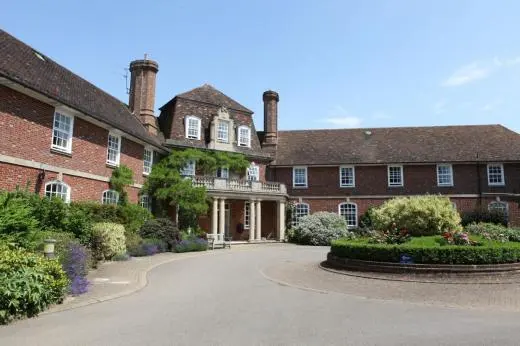




 in-school workshop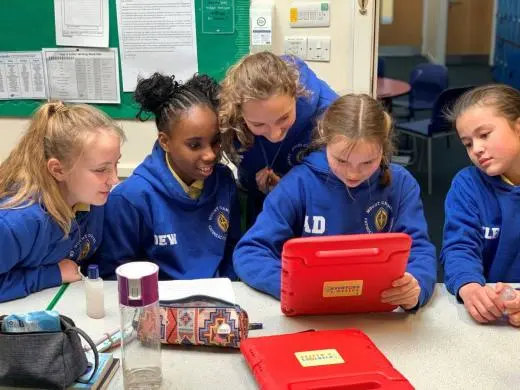


_workshop_2344avs.jpg)









 Filter results