Celts icon

Celtic school trip ideas

Trips and workshops uncovering Celtic Prehistory


Where can schools visit Celtic sites in the UK for historical immersion?

Celtic trips explore hill forts and artefacts covering Iron Age culture, art, and society.

The Celts thrived in Britain from around 800 BC to the 1st century AD. They were known for their artistry, warrior culture, and tribal societies. Their influence is evident through Celtic art and craftsmanship, hillforts, druidic traditions and spiritual practices.

They were a group of Brittonic tribes who lived in Britain during the Iron Age and through the Roman period. How and when they got to Britain in the first place, whether migration from the continent during the Iron Age, or along the Atlantic coast as early as the Bronze Age, is still being debated. Primary school level history requires children to be taught about changes in Britain from the Stone Age through to the Iron Age, and the impact of the Roman Empire on the British Isles. The story of the Celtic peoples is central to this theme and a great way to cover these topics.

Scotland was dominated by the Picts and Gaels, while Wales remained free of Anglo Saxon control and was divided between numerous kingdoms.

Children can study which parts of Britain they were living in, the language they spoke, their settlements how they lived, and the artefacts they left behind. Your focus might be on the everyday lives of 'ordinary' Celtic people, or you might be studying warriors like Boudica, queen of the Celtic Iceni tribe. Have a look at the suggestions below, or consider places like National Museum of Scotland in Edinburgh, Castell Henllys in Pembrokeshire of the Museum of Wales in Cardiff - all places that showcase Celtic treasures and are ideal for hands-on learning.

Want to book Celts trips and workshops?

Let us find the perfect Celtic history experience for your school trip


Popular school workshop March 2026 !

Irish dance workshops

location icon School Trip All UK Regions
apple icon Subjects: Celts, Dance, History


Celtic dance refers to the traditional dances that are associated with Celtic culture and heritage. These dances are often performed to Celtic music and are characterized by their lively and energetic movements. Celtic dance forms vary across different regions, but some of the most well-known Celtic...

first image
second image
main photo


Margam Discovery Centre
map pin Wales

Uncover fascinating local histories through hands-on enquiry. Active participation and immersive activities guide children through our ancient past hidden within our modern landscapes. - Celts and...
> read

Roman Workshop
Roman Workshop
map pin online/in-school workshop

As the leader of the Iceni Tribe, Queen Boudicca will introduce the children to her way of life as a Celtic warrior, including the food they ate and beliefs they held!
> read

History Workshops
History Workshops
map pin online/in-school workshop

During in our Roman Workshop, Queen Boudicca, leader of the Iceni tribe teaches the children about the ways of the Celts whilst exploring the early Roman invasion.
> read

Outreach
Outreach
map pin in-school workshop

Our Celts workshop works beautifully alongside our Romans workshop, and looks at life in Iron Age Britain before the Romans, including food, lifestyle, warfare and storytelling. Have a go with a...
> read

Irish dance workshops
map pin in-school workshop

Celtic dance refers to the traditional dances that are associated with Celtic culture and heritage. These dances are often performed to Celtic music and are characterized by their lively and energetic...
> read

Roman Workshop
Roman Workshop
map pin in-school workshop

The Celts remain to this day one of the most enigmatic and elusive people from history. Through our Roman workshop, discover how the Celts lived, ate, farmed and hunted in the British isles long...
> read

Flatford Mill field centre
map pin East of England

Uncover fascinating local histories through hands-on enquiry. Active participation and immersive activities guide children through our ancient past hidden within our modern landscapes. Explore...
> read

Tintagel Castle
Tintagel Castle
map pin South West

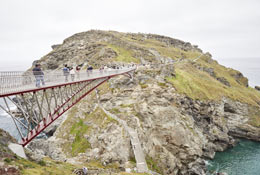
Immerse yourself in history, myths and stunning scenery at Tintagel Castle, set high on Cornwall's rugged north coast between Padstow and Bude.
> read

Celts School Trips - Frequently Asked Questions

3 March 2026

Why go on Celtic history trips?
Visiting hill forts, exploring Celtic art, and learning about pre-Roman Britain offers a way to connect with our early history. It’s a chance for students to see the landscape and artifacts that shaped ancient Celtic life, making this period of history more relatable.

Which Celt workshop or site should I choose?
If you're interested in hands-on crafts, workshops range from £150-£400 and let kids try their hand at ancient techniques like pottery or jewelry-making. For a more immersive experience, visiting a hill fort or archaeological site is fantastic. These places really bring prehistory alive.

Are there free options for Celt trips?
Depending where you are in the country, local hill forts and archaeological sites are mostly free to explore, and museums or galleries often have free entry. It’s a budget-friendly way to give students a taste of Celtic history without extra costs.

What are the top 10 Celt school trips?

1. The British Museum to see stunning Celtic art entry is free.
2. In-school Celt workshops, perfect for hands-on learning.
3. Maiden Castle hill fort, one of the largest and best-preserved in Europe.
4. Caerleon, known for its Roman and Celtic links.
5. The National Museum Cardiff for Celtic artifacts.
6. Scottish crannogs ancient lake dwellings with a mysterious history.
7. Welsh hill forts, offering insight into local Celtic defenses.
8. Manchester Museum, which has a good Celtic collection.
9. Local Celtic sites, giving a sense of regional history.
10. History festivals that celebrate Celtic culture.

Are Celt trips suitable for SEND students?
Yes, many sites are accessible and offer tactile workshops. Many offerings incorporate storytelling and sensory activities to make the experience inclusive and engaging for all learners.

What's the budget like for Celtic trips?
You can keep costs low with free local visits and buses cost about £4-£12 per child. Museum entries are typically £6-£15, and workshops range from £150-£400. For residential trips, expect around £140-£280 per student, making it an affordable way to explore heritage.

Why visit hill forts?
Hill forts like Maiden Castle are incredible because they reveal how Celtic communities defended themselves and organized their society. Standing atop these ancient structures, you can almost hear the echoes of the past.

What can students learn from Celtic art?
Celtic art is rich with intricate patterns and symbolism, which tell stories about their beliefs and environment. Studying these designs offers insights into their spiritual life and appreciation for craftsmanship.

How do Celtic sites connect to local history?
Many sites are right in our region, making history feel closer to home. Exploring local hill forts or museums helps students understand the deep roots of their community and how ancient Celts influenced the landscape.

How do festivals enhance the Celtic experience?
History festivals celebrate Celtic culture through music, dance, storytelling, and crafts. They’re lively events that bring history to life, allowing students to experience Celtic traditions firsthand in a fun and memorable way.


Get Celts school trip offers by email

Unsubscribe at any time, we won't share your email with anyone else, just send you all the best offers and ideas for your next class trip!

envelope icon Subscribe