A Food Journey

by PlanMySchoolTrip
published 7 September 2026
In our fast food obsessed epoch, cooking and nutrition helps teach pupils how to enjoy cooking and eating healthy food, giving them independence and the ability to fend for themselves. Knowing how to cook and prepare food has to be up there with some of the most important skills they will learn during their school life. But the other aspect of this curriculum subject is where our food comes from and everything associated with its journey. This article will look at how schools can use workshops and day trips to support teaching this multifaceted and incredibly interesting topic.
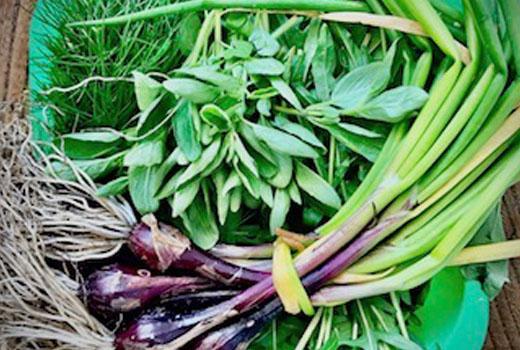
The journey food takes from its source to our plates is a fundamental part of Food Technology. Digging up potatoes or picking green beans from your own garden would be a very simple (and wholesome) journey, but more often, we find complex processes involved in bringing what we eat to our tables. Teaching this topic helps children appreciate the connections between agriculture, food production, processing, and consumption. Understanding where food comes from and how it gets to their plates teaches them about sustainability, ethical sourcing, and seasonal eating, all of which are important parts of today's environmentally conscious society.
Agriculture
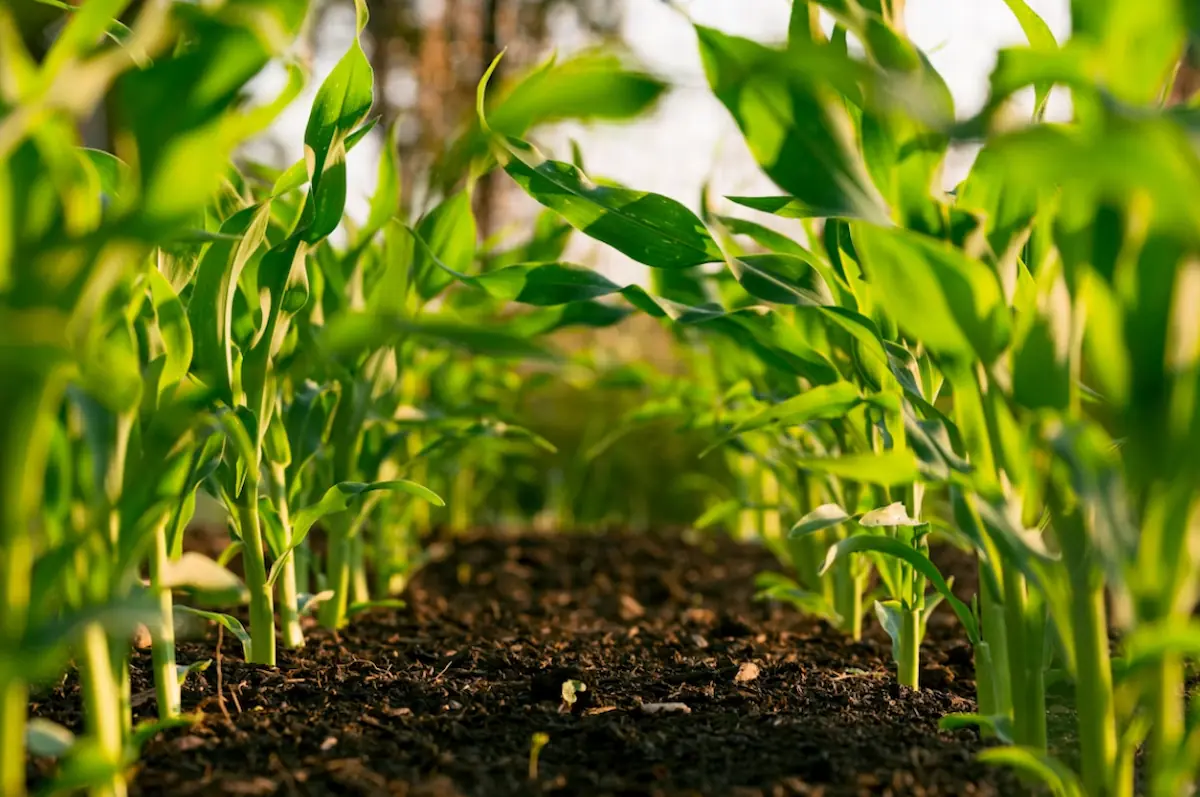
Our food journey starts with agriculture, with the cultivation and harvesting of crops and the rearing of livestock. Teaching children about agriculture helps them understand how different foods are produced, crops like wheat, oats, vegetables, fruits, or meat. This stage involves processes such as planting, irrigation, fertilisation, and harvesting. Discussions can include the importance of sustainable farming practices, crop rotation, and the impact of climate change on food production. Day visits to farms or community gardens can give your pupils a real insight into how farmers grow and care for their produce.
Food Production
Food production is the transformation of raw agricultural products into ingredients or products suitable for consumption. Examples include turning wheat into flour, dairy processing to produce milk and cheese, or the butchering of animals. Teaching about food production can highlight the various methods used to ensure food safety, quality, and shelf life, designed to protect consumers. Practical demonstrations could include a visits such as to a local bakery or dairy farm, or you could bring in classroom activities such as making bread or cheese.
Processing
Food processing involves converting ingredients into finished products ready for sale and consumption. This stage includes methods to package or preserve the food such as freezing, canning or drying, to make sure it stays safe and nutritious over time. Your students might learn the difference between fresh and processed foods, or consider the environmental implications of packaging waste. We work with some great companies who offer practical activities to help pupils understand the role of processing in everyday life and how processed food affects nutrition and health.
Consumption
Our final stage is consumption. This part involves not just eating but also what to eat and how much! portion sizes and balanced diets, healthy eating habits, reducing how much food waste we create. Practical lessons include cooking demonstrations and meal planning activities can help pupils to make informed decisions about their diet and what they choose to consume.
To support what you are teaching in the classroom, the topic of food journeys can be brought to life through a variety of engaging teaching methods, including field trips to farms, food markets, processors or supermarkets. These visits give pupils first hand exposure to the various stages involved in food production, from harvesting to packaging and point of sale. Complementing your trip with classroom activities such as mapping supply chains or researching different foods’ origins helps reinforce learning. Practical workshops where students prepare dishes using locally sourced ingredients can also teach them the importance of supporting local producers and reducing food miles, linking classroom theory with real world application.
By exploring the journey our food takes before it reaches us, your class will develop knowledge and appreciation for everything that goes into producing their chicken nuggets or slice of Chocolate fudge cake, as well as the importance of making responsible food choices. Environmental and ethical implications of their food consumption can be linked to cross-curricular subjects such as geography, history or economics. Ask us below about options for cooking and nutrition day trips or workshops or head to our main Food page for more information.
Make a school trip enquiry with PlanMySchoolTrip
If you are interested in hearing a bit more about how PlanMySchoolTrip can help you with planning your next school visit then why not get in touch here.