Dinosaur Detectives: Inspiring KS1 & KS2 Learning

by PlanMySchoolTrip
published 26 October 2026
The National Curriculum is pretty silent when it comes to the topic of Dinosaurs, yet that doesn't stop a lot of you using it at Key Stage 1 and 2 to help with learning objectives in Science and Literacy. So what is our fascination with these ancient mammals, reptiles and fish, and in what ways can you get the most from a Dinosaur themed trip or workshop?
As with most subjects, your main options are heading out on a day trip, or having an external education provider visit your school to deliver a workshop.
A visit to a museum or science centre might get you an exciting encounter with enormous skeletons, or access to real dinosaur collections or exhibits. All run by specialist staff. You will have additional costs for transport, and sometimes there will be an entry cost. On the other hand, a school workshop sees a visitor bringing specialist knowledge, objects that the children can handle, such as fossils or fossil replicas and a number of practical activities. This can remove travel and make it easier to fit a session into the school day. Both types of activity should be able to be adapted for your group's learning age or learning objectives.
A KS2 Dinosaur Day Trip Guide
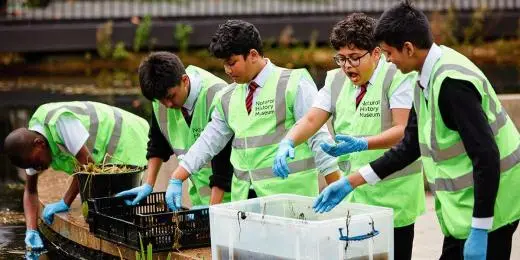
Obviously a dinosaur themed day trip is going to be a memorable day out for the children, but how can you turn it into an educational experience that helps you once you get back in the classroom? Imagine you are visiting somewhere like the Natural History Museum. The museum displays, fossil collections and interactive activities available on your dinosaur day trip will help pupils experience scientific enquiry. The day should teach them ways in which we know about the past. You aren't going to be able to cover every dinosaur fact - paleontologists spend their whole careers doing this and you only have one morning with thirty super excited seven year olds. So choose a single question that can form the basis for your visit. Here are some ideas:
How do scientists know what dinosaurs looked like?
Why did some dinosaur species survive while others became extinct?
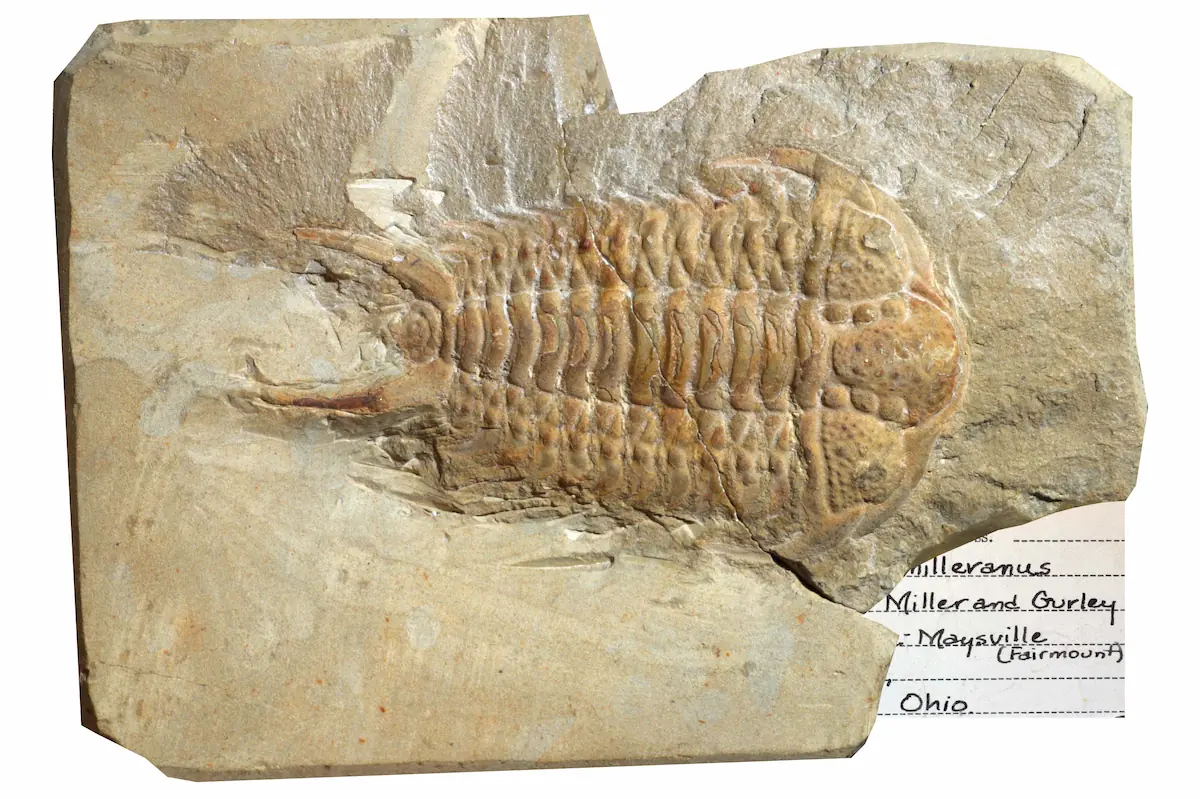
What can fossils tell us about how an animal lived?
Giving your pupils a clear question means they have more focus as they explore the museum or venue. Ask pupils to record their own questions to take with them. We've all visited museums and been overwhelmed by the amount of objects and information they contain. This focust will also allow you pin down your learning objectives and help you find a suitable trip.
Cross Curriculum Learning
We have given dinosaurs its own 'subject' page, simply because so many schools are looking for it, but in actual fact, schools are using the topic as a link to other subjects. While we wouldn't recommend trying to shoehorn every subject, this is a great idea. Here are some of the best ways to link dinosaurs other areas of learning:
Science - fossils, habitats, adaptation, evolution, classification, observation and evidence
English - making notes, descriptive writing, reports, interviews and persuasive writing
Maths - measuring fossils, comparing dinosaur sizes, reading timelines and interpreting charts
Art and design - drawing from observation, creating models or designing an information board about a particular species of dinosaur
Geography - mapping fossil discoveries and considering how land masses, landscapes and climates change over time
Your Dinosaur Detectives
Once pupils have a question to investigate, think about structuring the visit as though you have set them all off on a detective case: task groups with gathering clues, examining evidence and using it to build an explanation. You could even have different roles within each group to make them all see how they each contribute. The aim is not simply to collect dinosaur facts, but to help children notice how those facts are supported. For example, going from, what can you see - "this dinosaur has a row of sharp teeth" to what might that mean - "this suggests that the animal ate meat".
Turn Dinosaur Excitement into Lasting Learning
Back in the classroom, how do you turn that enthusiasm for the topic into followup work?
Hopefully they will have made lots of notes and drawings, maybe you even have some photographs you can refer to. Here are a few ideas for extending your dinosaur school trip.
Create a mini museum - Groups make exhibits using drawings, models, labels and explanations.
Write a museum label - Get each group to make a label for a fossil or dinosaur model, to explain to visitors what they are looking at.
Make a dinosaur profile - Include a labelled illustration, and details of its habitat or what it ate.
Produce a news report or podcast - They can imagine a new dinosaur discovery, explaining what was found and why it is important.
Build a class timeline or map - Add some of the things you saw to a geological time, or mark fossil locations on a world map.
Make a school trip enquiry with PlanMySchoolTrip
If you are interested in hearing a bit more about how PlanMySchoolTrip can help you with planning your next school visit then why not get in touch here.