How Schools Can Integrate Bushcraft into Outdoor Learning

by PlanMySchoolTrip
published 20 August 2026
In the early 2000s, the term 'bushcraft' was synonymous with a TV presenter called Ray Mears, who was the butt of many jokes and parodies. But he was ahead of his time! In an era where screen time dominates childhood experiences, reconnecting students with nature and traditional craft skills is more vital than ever. Bushcraft, the art of living skillfully in the wilderness using natural resources, offers a unique approach to outdoor learning.
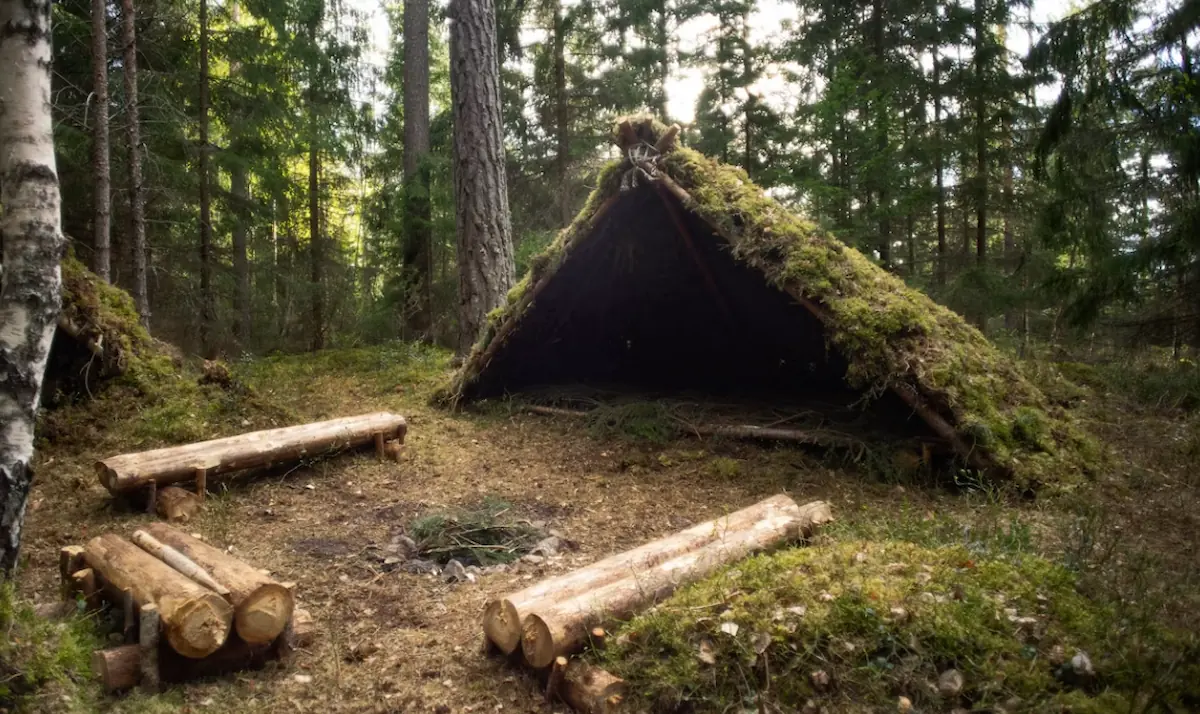
Schools can harness bushcraft activities to build resilience, problem solving, environmental awareness, and traditional skills, while providing memorable outdoor experiences for their students.
Developing practical skills and traditional knowledge
Bushcraft introduces students to essential survival and traditional skills that have been passed down through generations. Living in Britain, you may wonder why anyone would need to learn survival skills, but ask our regional mountain rescue teams how often they have to help people who wander into the hills and end up stranded with very little understanding of how to look after themselves.
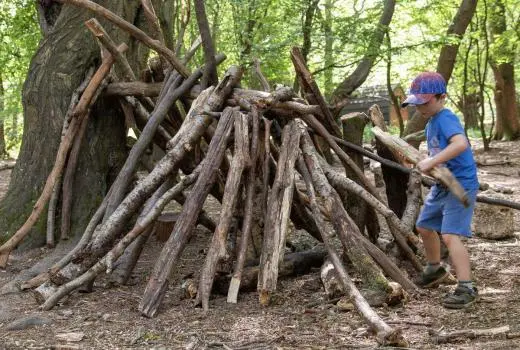
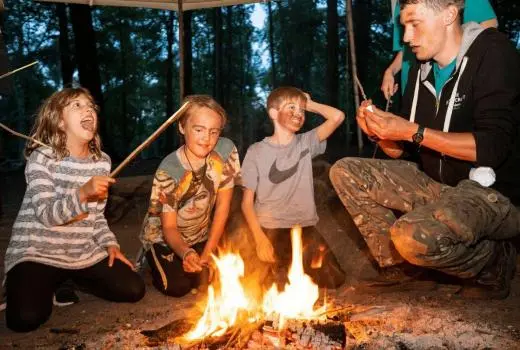
Activities include making campfires with flint and steel, constructing shelters from natural materials, sourcing clean water, or making bread over an open fire. Bushcraft skills teach resilience, resourcefulness, and self-reliance. Learning these skills gives young people a sense of achievement and confidence, especially when students see the tangible results of their efforts, such as a freshly baked loaf or a sturdy shelter.
The benefits of outdoor learning through bushcraft
Spending time outdoors has profound benefits for mental health, concentration, and general wellbeing. Nature activities like bushcraft help reduce stress, improve mood, and boost self-esteem. Physical activity, teamwork, the list goes on and on. Students who learn practical skills such as shelter building, fire lighting, and foraging not only develop independence but also a deeper connection with nature and a better understanding of what it means to live sustainably. Outdoor bushcraft activities definitely help students get in touch with nature. A better understanding of the ecosystems that surround them and their role in conservation efforts is an incredibly important way to prevent habitat loss. Ignorance of how ecosystems work is no excuse for their destruction, but it is often a factor. Identifying trees and plants, understanding wildlife tracking, and practicing water purification are ways you can teach your pupils environmental awareness and responsibility.
Promoting teamwork and problem solving
Perhaps one of the most significant benefits of bushcraft education is the development of personal resilience. Overcoming challenges such as building a shelter in adverse weather or lighting a fire without matches builds confidence and a sense of accomplishment, encouraging them to take on new challenges both outdoors and in the classroom. Although self reliance is important, most bushcraft sessions are designed to be collaborative, to encourage your students to work together to solve challenges. Building shelters, navigating using natural cues, or sourcing and preparing food require communication, planning, and cooperation. These activities teach valuable soft skills like leadership and adaptability; qualities that are equally valuable once you leave the woods.
Cross curricular and cultural learning opportunities
Integrating bushcraft into the curriculum can support other complementary subjects like science, history, and geography. Shelter building can help you explore how ancient Britons built shelters during the Stone Age, or how peoples used natural building materials through history. This type of contextual learning will help your pupils join the dots between different subjects, while making the lessons more memorable.
How to try bushcraft at your school
You can try your hand at bushcraft during a short workshop, as part of a day trip, or even during a full multi-day residential stay. Expert bushcraft instructors (we probably cannot get you Ray Mears) can tailor sessions to suit different age groups and abilities. Providers like The Bushcraft Company, The Field Studies Council, and Plas Gwynant Outdoor Education Centre, offer structured programmes that meet curriculum goals. Take a look at our dedicated Bushcraft page where you can try your hand at a huge range of activities by the coast, in woodland sites, or in urban green spaces. Or use the short form below to get more suggestions.
Make a school trip enquiry with PlanMySchoolTrip
If you are interested in hearing a bit more about how PlanMySchoolTrip can help you with planning your next school visit then why not get in touch here.

Bushcraft Ideas
Visit our main Bushcraft page for our full range of trips and workshops to inspire your class.