Ideas for teaching Painting, Textiles, Photography, and more.

by PlanMySchoolTrip
published 15 September 2026
Since you're already running art lessons during the week, have you ever thought about a fun art themed workshop or school visit? They are an opportunity for your students to connect with art in a totally new way.
In a workshop, children are usually more excited to try out new materials, play with different techniques, and experiment with ideas, all of which is building their skills. And when you take them to museums or galleries with guided tours, they get to experience artifacts, sculptures, and paintings that tie into what they are learning.
Outdoor trips open up a whole world of art and history that is hard to capture inside the classroom. Imagine your students exploring natural landscapes, collecting leaves for natural dyes, or creating land art inspired by Andy Goldsworthy. We have fun, fresh ways to inspire their creativity and bring art to life!
A vast range of art workshops supports a broad range of creative skills and topics suitable for primary pupils. Working with lots of specialist art workshops, here are some of our current favourite ideas to help you get creative.
Printmaking:
Printmaking has a rich history and your students can explore its diverse techniques by creating their own monoprints and relief prints using natural objects like twigs, pressed onto inked surfaces to produce repeat patterns, allowing them to see how different textures create unique impressions. Your workshop can introduce the concept of printmaking through historical examples, such as the use of woodcuts or etchings, and then guide children in experimenting with simple methods like collographs or stamping. Pupils will learn the process of transferring ink onto paper and how artists like William Blake used printmaking to reproduce their illustrations.
Painting:
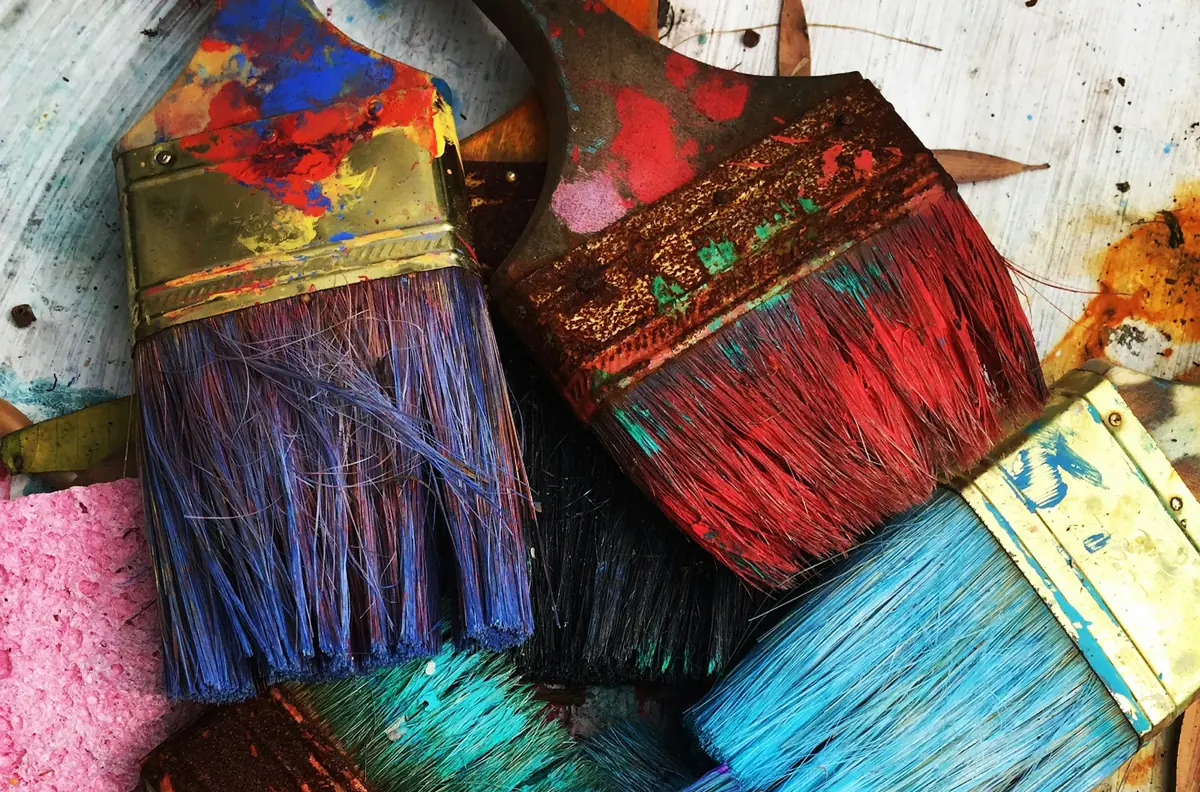
Who doesn't love to paint. Help your class experiment with a variety of media, including watercolours and acrylics, to develop their skills in colour mixing, blending, and composition. Whether they paint a landscape inspired by outdoor scenery, such as the view from a local park or historic site, pupils will explore techniques such as wet-on-wet or dry brushing, to create effects like texture or mood. Painting activities can also include creating abstract patterns or mixing colours inspired by artworks they see in a gallery, helping them understand how artists use colour and form to communicate feelings and ideas.
Textiles:
Textile workshops allow children to work with fabrics and natural materials to create their own designs. Activities such as dyeing fabric with natural dyes from plants, berries, or flowers, or weaving using reeds and grasses. Patterned fabric collages or decorate cotton bags with fabric paints and stencils, and learning about traditional textile techniques from different cultures. These textile activities include concepts like pattern, symmetry, as well as the cultural significance of textiles. And how fabric art is linked to storytelling and identity.
Photography:
Thanks to mobile phones, everyone is a photographer. Your pupils can develop their photography skills with guidance in understanding framing, perspective, and lighting, encouraging them to think about how composition influences the story their images tell. We have workshops that help students explore digital editing tools or create photo collages that connect their visual observations to themes in art history, like the use of light in Impressionism or the storytelling in documentary photography.
Animation:
An animation workshop can allow students to create short films using clay models, drawings, or cut-out paper figures. They might animate a story about a historical figure, learning how to sequence movements and add simple sound effects. Storytelling through visual movement helps students to experiment with stop-motion techniques or flipbooks. These activities help children understand the core principles of animation, such as timing and character development, while developing their imagination and technical skills.
Comics:
Comic making is all about story telling through a combination of drawing and writing. Our workshops show them how to produce a comic strip based on a school trip, or classroom topic. They will learn about character design, panel layout, speech bubbles, pacing, and dialogue to communicate their ideas clearly. By experimenting with different styles and themes, children learn how comics can tell complex stories with visual and textual elements working together, building their narrative skills and understanding of visual literacy in a fun and accessible way.
The art workshops we offer on PlanMySchoolTrip are not just about creating great art, they are also a fantastic way to boost emotional and social skills. Think self portrait sculptures or teamworked mural projects that them work together building their confidence.
Diwali painting or traditional indigenous art techniques, it can all help to broaden your students' understanding of different cultures. Whether working with talented artists in mobile studios, exploring environmental themes, or trying out digital art tools, there are a wide range of flexible, curriculum-linked activities to spark their creativity.
If you are curious about finding the perfect art experience for your class, just fill out the short form below and we will help you make it happen!
Make a school trip enquiry with PlanMySchoolTrip
If you are interested in hearing a bit more about how PlanMySchoolTrip can help you with planning your next school visit then why not get in touch here.