Making School Trips More Sustainable: Tips to Minimise Your Environmental Impact

by PlanMySchoolTrip
published 22 June 2026
As awareness of environmental concerns increases, schools are encouraged to incorporate sustainability into their trip planning. School visits can impact the environment through transportation emissions, the waste you produce, and the resources you use. Adding a few eco friendly actions to your school trips not only helps protect the planet but also provides your students with some important lessons in environmental responsibility. Something that will form a growing part of their education with the changes to the citizenship curriculum from 2028.
This article offers practical suggestions for reducing the environmental footprint of your school trips without compromising the educational experience for your group.
Choosing Sustainable Destinations
- Opt for local or regional destinations to reduce travel distances and emissions
- Consider venues with environmental certifications or green policies
- Prioritise outdoor, nature-based locations that encourage appreciation of the environment
One of the easiest ways to reduce your environmental impact is through the choice of your destination. Before choosing a long and expensive journey to get to a venue you have always visited as a school, look whether there are closer options that are just as suitable. We regularly introduce teachers to local venues that they were not previously aware of. Many venues are also incorporating eco-friendly initiatives and environmental education into their programmes for school group visits.
Eco-Friendly Transport
- Use coaches with low emissions or hybrid/electric vehicles if available
- Promote walking or cycling for shorter trips
- When flying is necessary, look into carbon offset schemes
One way to be more environmentally aware is by encouraging pupils and staff to minimise their waste. Encourage them to bring reusable water bottles and containers rather than single use plastics and avoid excessive packaging and prepackaged snacks. If you are being fed on your trip, aim for washable cutlery and plates whenever possible, and arrange for proper waste disposal and recycling at the venue to ensure the waste created by your trip is managed responsibly. Working with caterers who have clear sustainability policies helps us ensure that the food service meets your environmental values. Local, seasonal and organic food, to support local farmers and reduce transportation emissions.
Responsible Behaviour on Site
- Teach pupils to respect wildlife, plants, and habitats
- Follow 'Leave No Trace' principles
- Avoid feeding wildlife or disturbing natural areas
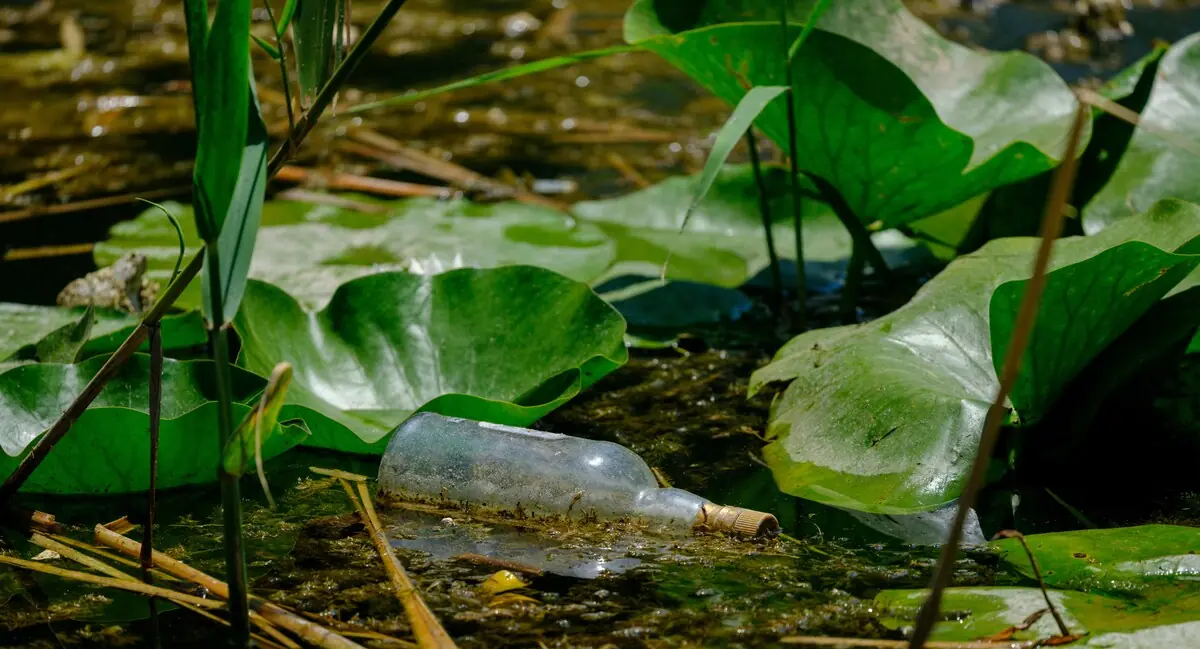
There have been far too many sickening stories recently of places being left covered in litter after people enjoying warm weather on beaches or countryside beauty spots. During your school visit it is essential to promote and enforce responsible behaviour among pupils to protect their environment. Where relevant, emphasise the importance of respecting wildlife, plants, and natural habitats, encouraging students to observe and learn, without causing harm. Your students should be following ‘Leave No Trace’ principles by taking home any litter and generally keeping their impact on the area to a minimum.
In most schools, the amount of paper required for physical documents comes at a significant financial cost. Look at reducing the amount of paper you use through the use of digital tickets, itineraries or schedules. Embracing digital alternatives allows students and teachers to access necessary information via smartphones or tablets, with less printed and photocopied materials. Schools can ensure that electronic resources are accessible throughout the trip.
Educating Pupils About Sustainability
- Use the trip as a learning opportunity to discuss environmental impact
- Involve pupils in planning green aspects of the trip
- Reflect on sustainability in post-trip activities
Many school trips provide an excellent platform to raise awareness about environmental responsibility, and form a key part of your school's Climate Education Action Plan. During and following on from your visit, teachers can incorporate discussions about the trip’s environmental impact, encouraging students to think critically about their choices and behaviours. By involving pupils in planning how to make the trip 'greener' - such as choosing better transport options, or selecting environmentally sensitive activities - students gain a first hand understanding of how individual actions can reduce their ecological footprint. Additional post-trip reflections and activities can reinforce these lessons, and encourage pupils to consider how they can adopt more sustainable habits. You could also ask them to directly measure the environmental impact of the trip by calculating its carbon footprint, to highlight the importance of reducing emissions. You might even decide to take it a step further by setting up an carbon offsetting scheme. This could be through an existing scheme such as tree planting, or by setting the pupils the fun challenge of making small changes to their own habits, to see if they can collaboratively offset enough carbon to mitigate the 'cost' of the trip.
Make a school trip enquiry with PlanMySchoolTrip
If you are interested in hearing a bit more about how PlanMySchoolTrip can help you with planning your next school visit then why not get in touch here.



