Explore, Create, and Discover: 6 Inspiring Educational Workshops for Computing and STEM

by PlanMySchoolTrip
published 26 June 2026
When exploring the fascinating world of Computing and STEM education, schools are increasingly turning to engaging workshops and activities that help bring science, technology, engineering, and mathematics to life for their students. From building robots and coding with micro:bit, Arduino, or Raspberry Pi, to stunning virtual reality experiences and cybersecurity challenges, these programmes inspire your class to develop the many essential skills they need for the digital age. In the following article we will highlight a wide choice of some of our favourite innovative workshops, designed to make children want to find out more about being part of the next generation of scientists, engineers, and digital innovators.
1. An introduction to Coding and Robotics
This workshop is a great example of where coding meets design and technology. Students will explore how to control robots through programming. For younger age groups you might find yourself working with block based languages like Scratch, designing simple commands and sequences, while older children will get stuck into text based languages such as Python to write more complex code. The workshop could involve developing algorithms that guide robots around obstacle courses or complete specific tasks, helping you understand the fundamental principles of programming logic. As you work through these challenges, you'll see the direct link between your code on screen and the actions of the robot, gaining insight into how software translates into physical movement.
This workshop also encourages children to think critically about how different programming techniques influence robot behavior and performance. Make sense of variables, loops, and sensor inputs, learning how to debug and improve their code step by step. Along the way, they will gain understanding of concepts such as algorithms, sequencing, and problem solving strategies. All this takes place in a collaborative environment oozing creativity and teamwork; the very definition of a hands on experience.
2. AI, Machine Learning, and Programming Applications
AI is the hottest topic in computing and this intriguing workshop explores the key concepts of artificial intelligence and how machines process information and learn from data. You could be designing simple AI models using platforms like Google’s Teachable Machine or experimenting with algorithms that recognise images or sounds. The session could involve writing code in Python or block based languages to develop AI applications. As you work through these activities, students will learn the processes behind AI and machine learning, and how they are transforming industries and society.
Learn the ethical and societal implications of AI, question how algorithms make decisions and discover the importance of designing fair and responsible systems. Using problem solving skills, you might experiment with different data inputs, debug your models, and improve their accuracy.
3. Physical Computing with BBC micro:bit, Arduino, and Raspberry Pi
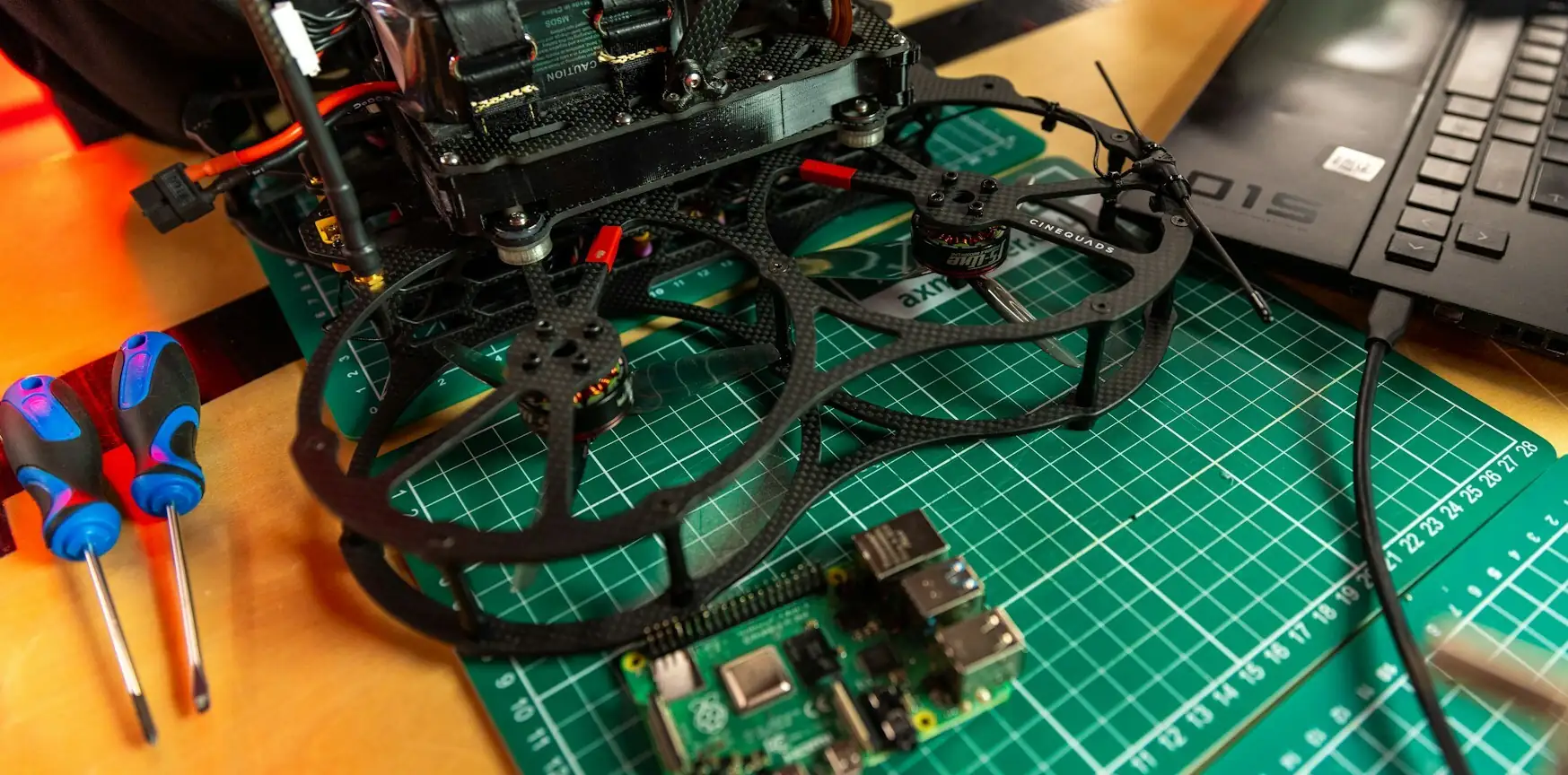
Work with physical computing devices such as BBC micro:bit, Arduino, or Raspberry Pi to write code to control hardware components like LEDs, sensors, or motors. Children can dip their toe in electronics, designing circuits, programming responses to environmental inputs, or creating interactive projects. Throughout this process of designing to solve problems, you will see how software directly influences physical devices, helping you understand the core concepts of input, output, and control systems.
You might develop projects that respond to motion, light, or sound, giving you a practical understanding of hardware and software integration. Engaging with these technologies will enable your students to see how physical devices operate and how programming can be used to innovate in areas like automation and smart devices. This workshop gives them foundational skills for future careers in technology.
4. Drone Coding and Navigation
Programming drones to fly predetermined routes or complete specific tasks is a key part of this workshop. Using coding tools like Scratch or similar platforms on iPads or laptops, your children will put together algorithms to control the drone's movements. The activity might involve writing code that navigates the drone through obstacle courses, or perhaps performing tasks like taking photos or delivering small objects, all driven by your programming.
As students work collaboratively in teams, they will develop their problem solving skills by debugging their code, adjusting commands, and observing how their algorithms translate into drone behaviour. This process will help them understand how sensors and motors work together to enable flight, while also enhancing their ability to troubleshoot and adapt when things don’t go as planned - there will be plenty of exciting crashes! Through this immersive experience, they will make meaningful connections between coding, robotics, and physics, gaining insights into how automation and control systems are applied in advanced technologies such as aerial surveys, delivery services, and beyond.
5. Digital Creativity with VR and Media Production
In this immersive workshop, your students will be exploring the world of digital media and virtual reality (VR). They will be designing their own virtual scenes using tools like Unity or other game engines, learning how to create environments, animate objects, and add interactive elements. The activity may involve scripting behaviors or designing narratives that come to life in VR, helping students understand how digital worlds are built from code and design principles.
Throughout the session, students will experiment with different software tools for editing videos, adding green screen effects, or creating engaging stories that transfer into multimedia projects. They will also explore how virtual environments are used in entertainment, education, or training, gaining an appreciation for the role of programming and design in these fields. This workshop encourages creative thinking and digital literacy, illustrating how computer science and art intersect in digital applications.
6. Cryptography, Codebreaking, and Cybersecurity
A brain teaser of a workshop where your pupils will be working on deciphering coded messages or creating their own encryption techniques. They will explore how ciphers work, analyse historical codes, and develop their own methods of secure communication using Python or other programming languages. The activities may include solving puzzles that challenge their understanding of cryptography, as well as learning how encryption protects data in everyday digital interactions.
Students will also investigate how cybersecurity systems defend against hacking or malicious attacks, gaining insights into the importance of digital safety. This could involve writing programs to encrypt and decrypt messages or using software tools to find vulnerabilities in systems. Through these activities, students will develop critical thinking and problem solving skills, as well as an awareness of the importance of privacy and security in our increasingly digital world.
Make a school trip enquiry with PlanMySchoolTrip
If you are interested in hearing a bit more about how PlanMySchoolTrip can help you with planning your next school visit then why not get in touch here.
Computing Workshop Ideas
Visit our main computing page for our full range of trips and workshops to inspire your class.



_workshop_2344avs.jpg)

Get school trip news & offers by email
Unsubscribe at any time, we won't share your email with anyone else, just send you all the best offers and ideas for your next class trip!
 Subscribe


