Volcanoes and Earthquakes School Workshops
 Physical Geography Natural Disasters & Extreme Earth processes
Volcanoes workshops for UK school groups
Volcanoes and earthquakes experiences use models and fieldwork, explaining plate tectonics and hazards.
Often requested alongside earthquakes and natural disasters, volcanic processes are very visual, and they illustrate an incredible earth process in a very dangerous and explosive way that really appeals to school children.
Occurring at plate boundaries, volcanoes, or volcanic eruptions are the way in which gasses and molten lava are vented from within the earth's crust. There are different types of volcanoes and different types of volcanic eruptions. Beginning as a series of earthquakes caused by the pressure building up beneath the earth's surface, a volcano may vent gas or even lava over an extended period of time, or it may erupt more spectacularly, send a huge plume of gas high into the atmosphere, causing pyroclastic flows, landslides or significant lava flows. Like many of our Physical Geography workshops, our volcano workshops can help illustrate all of these events for your children, in fun and imaginative ways.

There are plenty of examples you can use to illustrate your lesson on the topic of volcanoes. Perhaps the most famous volcano is Vesuvius, whose eruption in AD 79 destroyed the Roman cities of Pompeii and Herculaneum. Early examples that were caught erupting on film include Mt St Helens in America, and Mt Pinatubo in the Philippines. While more recently, the volcanic activity in Grindavik, Iceland was in the headlines.
Earthquake Workshops
Another form of natural disaster is an earthquake. Earthquakes are shockwaves caused by friction in the earth's crust. The outer shell of the earth, or the crust, is made up of a series of interlocking plates that very slowly move in different directions. At the boundaries where these plates meet, energy slowly builds up, and from time to time, is released in the form of an earthquake.
Earthquakes are measured on a magnitude scale from a very small number like 2, which is not felt, up to 8 or more, where extensive damage is caused. In 2025, China and Honduras experienced magintude 7+ earthquakes. The scale is logarithmic, which means an increase of 1 magnitude means an earthquake 10 times more powerful. While small earthquakes occur multiple times a day across the globe, the very big earthquakes may only take place once every couple of years.
The Earthquakes workshops on this page can teach your children about understanding the structure of the earth, the causes of an earthquake, epicentres, the types of energy waves involved, how they can damage buildings and cause tsunamis.
If you are looking for some ideas of how to teach natural disasters such as earthquakes or volcanoes to your class in an engaging and memorable way, we have a number of workshops able to describe and demonstrate key aspects of these key geographical topics.
Exciting ways to teach the topic Volcanoes and Earthquakes
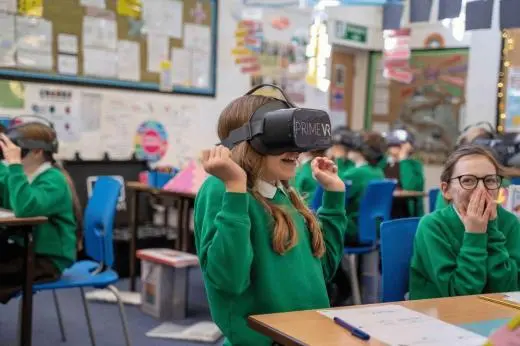
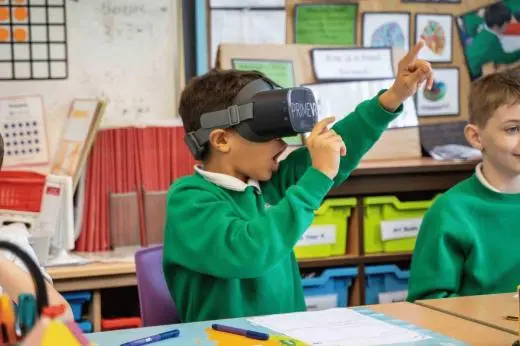
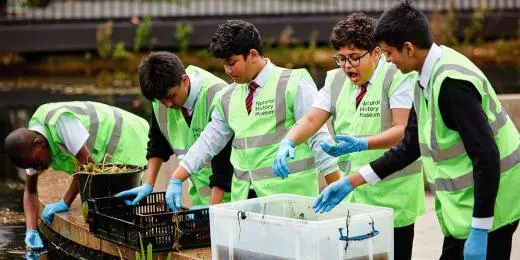
 in-school workshop








Want to book Volcanoes and Earthquakes trips and workshops?
If you would like us to help you find a school trip or workshop to help your students understand these Natural Disaster topics, please use the form below
Volcanoes and Earthquakes School Trips - Frequently Asked Questions
Why organise a volcanoes and earthquakes trip or workshop?
They are really exciting and help bring the forces of nature to life. Plus, they fit perfectly into geography or geology lessons and make learning about Earth’s power a lot more engaging and understandable, especially for younger key stages.
What kind of volcano or earthquake workshops are available?
We offer hands-on workshops where students can do simulations. These usually cost between £150 and £400. There are also centres focused on fieldwork in geography, which are great for exploring real sites.
Are there free options for exploring volcanoes or earthquakes?
Yes! The Natural History Museum has fantastic galleries about volcanoes and earthquakes that you can visit for free, making it a great budget-friendly choice.
What are the top 10 school trips for volcanoes and earthquakes?
Here's a quick list:
1. Natural History Museum (free volcano exhibits)
2. In-school geography workshops
3. Dynamic Earth in Edinburgh
4. Eden Project (focused on Earth's natural processes)
5. Jurassic Coast (for earthquakes)
6. Scottish Highlands (volcanic landscape)
7. Welsh mountains
8. Local geology sites
9. Science centres with simulators
10. Museums showcasing rocks and minerals
Are there volcano or earthquake trips suitable for SEND students?
Absolutely. Museums often have models and resources that work well, and workshops are designed to be safe. There are education providers who have used videos and plan carefully to accommodate noise sensitivities, making sure everyone can enjoy the experience. Let us know your group's needs and we can work with you to find the best experience.
What’s the typical budget for volcanoes and earthquakes trips?
It can vary, but generally: free museum visits plus bus travel might be around £3-£10 per student. Centres usually charge £5-£15 for entry, workshops cost between £150 and £400, and residential trips can range from £120 to £250 per child.


