Museums and Living History school trips
 Bring the past to life
Explore the past
Which UK museums offer the best cross-curricular school trips?
Museum visits provide artefacts, interactive exhibits, and workshops -covering history, science, art, and more in one inspiring location.
The value of a good quality museum cannot be overstated when it comes to furthering our knowledge of history. The best places will spend time and money analysing how their visitors interact with the exhibits - what they stop to look at, which information boards they read, where they stand and perhaps whether they make any notes. If the museum does not understand what people are taking away from their visit, they were either really lucky in getting everything exactly right to begin with, or else they don't care about their visitor's enjoyment, and will quickly suffer declining attendances.
International Museums Day School Trips UK | 18 May 2027
International Museums Day on 18 May 2027 is the perfect excuse to get your class out exploring Britain's incredible historic collections. Maybe you are teaching about the Romans, the Tudors or 20th century transport - a museum visit can bring history to life like nothing else. From the vast British Museum in London to smaller regional gems around the country, an educational school trip to a museum lets pupils see real artefacts up close and join in guided tours that link straight to the national curriculum themes you are teaching in class. Art, science, design and history can all come together in one brilliant day. Teachers love how these trips spark questions that carry on back in the classroom.

As a child I wasn't particularly fond of museums. After I had gazed into the hundredth glass display case and read the faded yellow postcard notes about the objects on view, I quickly started to lose interest. I didn't really understand the value of what I was seeing. Thankfully, the people who run such places these days are more aware of how to engage the younger generation in particular and some venues even bring the past to life in the form of living museums, complete with people in period costume and real shops displaying or selling goods that would have been available at the time. What could possible inspire your students more about the subject than standing them in a street as it would have been one or two hundred years ago and letting them explore with all of their senses.

Exciting ways to teach the topic Museums

 West Midlands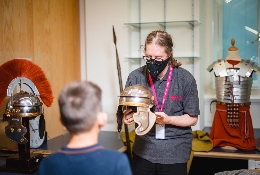









Want to book Museums trips and workshops?
Find an exciting Museum experience for your school trip
How to book Museums School Trips - FAQ
Why choose to visit a museum on your school trip?
Museums are fantastic because they cover all sorts of subjects like art, science, and history, using real objects that really get students asking questions. Plus, they fit well with the curriculum and are indoors, which is great if the weather isn’t on your side during your school visit.
Museum workshop or self-guided?
Workshops are great if you want focused activities and usually cost between £150 and £400 for the group. You get plenty of time to ask questions and get useful insights into the museum's collections. Self-guided visits give students more freedom to explore at their own pace, and we often recommend them for larger groups or when you want more flexibility.
Are there free museums?
Yes! Most national museums, like the British Museum, Science Museum, and Natural History Museum, are free to enter. Just remember to book in advance if you're bringing a group. Local museums are sometimes free for school groups, but even if they do charge and entry fee, it is usually great value.
Top 10 museum school trips:
Here are the most popular places for 2026:
1. British Museum, London
2. Science Museum
3. Natural History Museum
4. V&A Museum
5. National Museum of Scotland
6. Kelvingrove, Glasgow
7. National Museum Cardiff
8. Manchester Museum
9. Liverpool World Museum
10. Ashmolean, Oxford
Are museum trips suitable for SEND students?
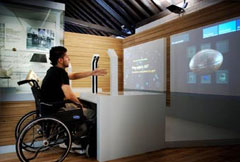
Many museums offer sensory bags, quiet hours, and touch exhibits to make the experience accessible. It’s best to plan ahead and check the access info for each place.
What’s the budget for a museum trip?
Most trips are quite affordable. If you’re visiting free museums and taking the bus, it might cost around £4 to £12 per student. Paid-entry museums are usually between £6 and £15, and workshops can be from £150 to £400. Residential stays range from about £130 to £250 per student.
Anything else I should know?
Most trips are pretty budget-friendly, and planning ahead can help make the experience smooth and enjoyable for everyone!


