The Importance of Farming: Shaping UK Society and Inspiring Young Minds
As a teacher, I've always believed that connecting students with the world beyond the classroom brings learning to life. Farming, a cornerstone of UK society, offers a wealth of opportunities to do just that. From feeding our nation to shaping our landscapes and economy, agriculture is far more than a job, it is a way of life that has defined Britain for centuries. By championing farming through school trips and workshops, we can help students understand its vital role and inspire them to value where their food comes from. Here's why farming matters, how it has shaped the UK, and why educational experiences are key to fostering appreciation for this essential industry.
Farming: The Backbone of UK Society
Farming is at the heart of our daily lives, providing the food on our tables and sustaining the UK's economy. According to the National Farmers' Union, agriculture contributes £120 billion annually to the UK economy and employs over 4 million people. Beyond economics, farming shapes our iconic countryside, from the rolling hills of the Cotswolds to the patchwork fields of Yorkshire. It is a sector that touches every aspect of society, from environmental stewardship to food security.
Historically, farming has been pivotal in defining the UK. The Agricultural Revolution of the 18th century transformed Britain, boosting crop yields and enabling population growth. Innovations like crop rotation and selective breeding, pioneered by figures such as Jethro Tull and Robert Bakewell, laid the groundwork for modern agriculture. These advancements not only fed a growing nation but also fuelled the Industrial Revolution, as fewer farmers were needed to produce more food. Today, farming continues to evolve, with sustainable practices and technology ensuring we meet the challenges of climate change and population growth.
Why Farming Matters in Education
In the classroom, teaching about farming connects students to real world issues like sustainability, geography, and science. The National Curriculum encourages exploration of food production, land use, and environmental impact, making agriculture a rich topic for cross curricular learning. Yet, many students, especially in urban areas, have little exposure to farming. This disconnect can make it hard for them to grasp where their food comes from or why agriculture matters.
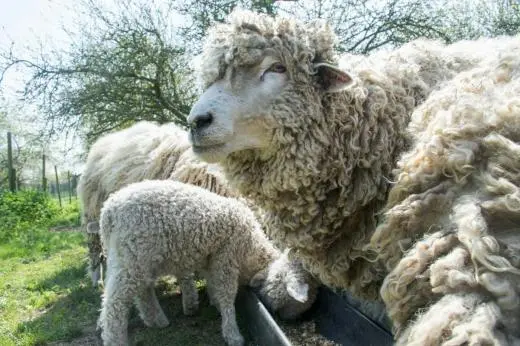
School trips and workshops bridge this gap by offering hands on experiences that make farming tangible and exciting. A visit to a working farm allows students to see cows being milked, crops being harvested, or even try their hand at planting seeds. These activities bring lessons to life, showing how biology, chemistry, and geography intersect in agriculture. For instance, a workshop on soil health can teach KS2 pupils about ecosystems, while a secondary school trip to a dairy farm can explore supply chains and sustainability.
The Power of School Trips and Workshops
Organising a farming focused school trip or workshop can transform students' understanding of agriculture. At PlanMySchoolTrip we partner with farms and educational centres across the UK to create engaging experiences tailored to your curriculum needs. Whether a day trip to a local farm or a workshop on sustainable farming practices, these activities give students a better understanding and more respect for the industry.
For primary teachers, a trip to a farm like Godstone Farm in Surrey can captivate young learners with tractor rides and animal feeding, while reinforcing science and PSHE lessons. Secondary students might benefit from a visit to an arable farm, where they can explore modern technologies like precision farming or discuss the impact of Brexit on agriculture. These experiences make abstract concepts concrete, helping students see farming's relevance to their lives. These farm visits promote inclusivity by catering to diverse learning styles. Hands on tasks like milking a cow or harvesting vegetables engage kinaesthetic learners, while discussions about sustainability spark debate among analytical thinkers. These trips also encourage teamwork and empathy, as students work together and learn about the challenges farmers face. By connecting with the land and animals, students develop a deeper appreciation for nature and food production.
Championing Farming for Future Generations
To ensure a sustainable future, we must inspire the next generation to value farming. The industry faces challenges like climate change and labour shortages, but it also offers exciting career opportunities in agritech, environmental science, and food production. By exposing students to agriculture through school trips and workshops, we can ignite their passion and show them how they can contribute to this vital sector.
At PlanMySchoolTrip we are located in the rural county of Shropshire and are committed to helping teachers bring farming to life. Our curated experiences, from farm visits to interactive workshops, make agriculture accessible and engaging for students of all ages. Let's work together to show young minds that farming isn't just history, it is the future of our society.



 Wales
Wales Art, Bushcraft, Business, Careers, Citizenship, English, Farm, Fieldstudies, Geography, Environmental Geography, Human Geography, Physical Geography, Geology, Maths, Outdoor Learning, Performing Arts, Physical Education, Pirates, PSHE, Team Building, Watersports, Wildlife


 Wales
Wales







 Filter results