Increasing pupils cultural capital through outdoor learning experiences
 Learning outside the classroom
How can UK school trips build cultural capital through arts, history, and diversity?
Cultural capital visits expose students to museums, theatres, and heritage sites - enriching knowledge, tastes, and social mobility.
One way of thinking about cultural capital is that it is an individual's social assets that enable them to succeed and thrive in wider society through education. Examples of social assets are education, intellect, skill and behaviours and they can be learnt through experiences and opportunities.
Each individual possesses their own cultural capital that they have developed throughout their life. It has now become a focus of Ofsted to ensure that teachers use the curriculum to enhance the experience and opportunities available to children, particularly the most disadvantaged, to ensure the continued development of cultural capital - something they describe as essential knowledge that pupils need to be educated citizens. Expanding upon the objectives of Citizenship, SMSC and PSHE, the development a child's cultural captial can be achieved through activities like travel, or music, or indeed anything that gives them access to new opportunities and experiences.
Knowledge, skills, behaviours, and cultural awareness that students gain through exposure to cultural experiences equip students with the tools to navigate and succeed in diverse social and professional settings. This includes understanding art, history, literature, and societal norms, often fostered through student cultural experiences like museum visits, theatre performances, or interactive workshops.
It is important to recognise that every child is unique and that they are constantly learning. However, the focus on cultural capital is intended to give children the social assets to be resilient, capable, confident and able to thrive in a range of social and academic environments. All of which will help children achieve a better standard of education.

Perhaps your class have not had much experience in a rural environment. Children who grow up in cities have a very different life experience to those in smaller towns or villages. Planning a school trip into the countryside, or giving them the chance to try activities like pond dipping, or bushcraft skills, would be a great way to build their cultural capital. Alternatively, your class may be from a rural area without much exposure to, or experience of, the arts. Why not consider a theatre trip, or a visit to a city like London, Manchester or Birmingham.
If the majority of a school's students are from a single ethnic group, those students many be missing out on experiencing other cultures and appreciating differences. Schools can plan and deliver a variety of workshops or day trips; immersive experiences of cultures and faiths that they may not have had much exposure to previously.
Why Choose Our Cultural Experiences?
Our school trips and workshops are designed to build cultural capital in schools by offering engaging, curriculum-aligned experiences. From guided tours of historical landmarks to interactive art and music workshops, our trips are led by passionate educators who will inspire your students.
Exciting ways to teach the topic Cultural Capital
 London & South East








Want to book Cultural Capital trips and workshops?
If you would like us to help you find a school trip or workshop to boost your students' cultural capital, please use the form below.
Booking Cultural Capital School Trips - Frequently Asked Questions
10 March 2026What are cultural capital trips all about?
Cultural trips are designed to open students' eyes to arts, history, and the wider world. They help children feel more connected and confident, enriching their vocabulary and understanding of different cultures. Ofsted really values these experiences because they support holistic development. Children develop a broader understanding of the world, build confidence, and improve vocabulary through real-world experiences. While participating in arts and heritage activities can inspire creativity and curiosity that lasts a lifetime.
Cultural workshops or trips - which one is best?
Workshops are great for introducing basic concepts and are usually more affordable, ranging from about £150 to £400. Trips may offer a deeper immersion into the subject, allowing students to explore and experience culture firsthand.
Are there any free cultural options?
Many galleries like the National Gallery and local museums offer free entry, making cultural exposure accessible without a huge budget. Local festivals are also fantastic free opportunities for students to engage with arts and community events.
Top 10 cultural capital school trips:
1. British Museum (cultures, free)
2. National Gallery (art)
3. In-school cultural workshops
4. Eden Project (global)
5. Theatre shows
6. Hadrian's Wall (heritage)
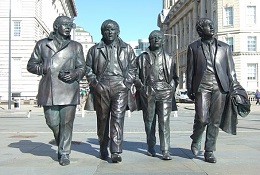
7. Liverpool museums (diversity)
8. Edinburgh festivals
9. Cardiff castles
10. Local communities (visits)
What about cultural trips for SEND students?
Many galleries are equipped with tactile exhibits and sensory-friendly environments, making them accessible for SEND students. Festivals and outdoor events tend to be more relaxed, and we often incorporate visuals and planning to ensure everyone can participate comfortably.
What's the typical budget for cultural trips?
Costs can vary depending on the activity you want to experience. Free galleries plus travel usually come to around £4-£12 per child. Theatre tickets tend to be between £8 and £20, while workshops can cost from £150 to £400. For residential trips, expect to pay roughly £140-£260 per child.
Are there funding options available for arts and culture trips?
Yes, there are various arts grants and funding opportunities aimed at making cultural experiences more affordable for schools. These can help cover costs for trips, workshops, and other activities, making it easier to provide rich cultural education. Take a look at our funding page for more information.
How do you plan a successful cultural trip?
It's all about balancing educational goals with fun, ensuring accessibility, and engaging students with relevant activities. Planning ahead for transportation, access needs, and post-visit reflections makes the experience more meaningful and memorable.
How can schools make the most of cultural opportunities on a budget?
Focusing on free or low cost venues, applying for arts funding, and combining multiple activities into one trip can maximize value. Also, incorporating local community visits and outdoor festivals can provide rich cultural exposure without breaking the bank.
Cultural capital in schools is a transformative concept that enriches students' educational experiences by exposing them to diverse knowledge, skills, and cultural opportunities. By integrating cultural capital education into the curriculum through activities like school trips and workshops, educators give students the oppotunities to thrive in a global society.
The Purpose of Cultural Capital in Education
By integrating cultural experiences into the school curriculum, we can:
- Bridge Social Gaps: Expose students from all backgrounds to cultural resources, reducing disparities in access to knowledge
- Enhance Social Mobility: Equip students with the cultural fluency needed for higher education and professional environments
- Promote Inclusivity: Encourage appreciation for diverse cultures, fostering empathy and global awareness
- Support Holistic Development: Build skills like critical thinking, communication, and adaptability through real-world experiences
School trips to cultural landmarks or hands-on workshops in subjects like music or history are powerful ways to achieve these goals.
Benefits of Cultural Capital for Students
Investing in cultural capital in schools yields significant advantages for students, both academically and personally, in the following 3ways:
- Improved Academic Performance: Exposure to cultural experiences, such as visiting art galleries or historical sites, deepens understanding of subjects like history and literature
- Boosted Confidence: Engaging in new environments, like theater workshops or cultural festivals, builds self-assurance and social skills
- Global Awareness: Student cultural experiences foster an appreciation for diversity, preparing students for a connected world
- Career Readiness: Cultural fluency equips students with the soft skills employers value, such as adaptability and communication
Four Ways Schools Can Build Cultural Capital
- 1. Organise Cultural School Trips: Plan visits to museums, cultural festivals, or historical sites to provide immersive learning
- 2. Host Interactive Workshops: Offer sessions in drama, music, or visual arts to spark creativity and cultural appreciation
- 3. Incorporate Diverse Perspectives: Include multicultural content in lessons to reflect global societies
- 4. Partner with Experts: Collaborate with organisations to deliver tailored cultural experiences that align with your curriculum
Get school trip news & offers by email
Unsubscribe at any time, we won't share your email with anyone else, just send you all the best offers and ideas for your next class trip!
 Subscribe


